Introduction
In the realm of vital care, the relevance of reliable respiratory tract and air flow monitoring can not be overstated. Medical care specialists have to be well-appointed with the understanding and abilities required to make sure that people receive optimum respiratory system assistance. This article digs deeply right into the different elements of respiratory tract and air flow management, especially in vital treatment settings. From understanding standard principles to checking out sophisticated ventilator training courses, this detailed overview intends to provide doctor with a thorough understanding of why efficient administration is vital for individual outcomes.

The Value of Respiratory tract and Ventilation Management in Critical Care
Airway and air flow administration is essential in critical care because it directly influences client survival prices. An unhampered airway allows for optimal gas exchange, while appropriate air flow guarantees that co2 is successfully removed from the body. In emergency situations, failing to handle these facets can result in hypoxia or hypercapnia, resulting in serious issues or perhaps hands-on training for ndis ventilation course death.
Understanding Fundamental Principles of Air Passage Management
Airway monitoring begins with evaluating the patient's capability to maintain a patent air passage. This includes identifying signs that may show blockage, such as stridor or lowered breath sounds.
Types of Airways
Natural Airways: These are the paths whereby air moves normally throughout respiration. Artificial Airways: Devices like endotracheal tubes or tracheostomy tubes are made use of when all-natural airways are compromised.Techniques for Air passage Management
- Head-Tilt-Chin-Lift Maneuver: An easy technique utilized to open the air passage in unresponsive patients. Jaw-Thrust Maneuver: Specifically helpful for patients with believed back injuries.
Importance of Training in Air Passage Management
Given the complexity associated with airway management, specialized training programs play a crucial role. Courses such as basic ventilator course and ventilator training for registered nurses equip doctor with crucial abilities required for efficient intervention.
Ventilation: The Lifeline of Critical Care
Ventilation refers to the mechanical motion of air right into and out of the lungs. In seriously ill individuals that can not breathe efficiently on their own, mechanical air flow offers life-saving support.
Types of Mechanical Ventilation
Invasive Ventilation: Includes intubation and is used when non-invasive methods are insufficient. Non-invasive Ventilation (NIV): Consists of CPAP and BiPAP systems, supplying assistance without intubation.What is Ventilator Support?
Ventilator support offers regulated breaths to clients that are unable to take a breath properly by themselves due to conditions such as ARDS or COPD exacerbations.
Ventilator Setups Explained
Understanding various ventilator settings is crucial for providing reliable respiratory system assistance:
|Establishing|Description|| -----------------------------|----------------------------------------------------------------------------------------|| Tidal Quantity (Vt)|The amount of air supplied to the lungs with each breath|| Breathing Rate (RR)|Number of breaths provided by the ventilator per min|| PEEP (Favorable End-Expiratory Pressure)|Maintains alveolar employment by avoiding collapse at end expiration|| FiO2 (Fraction of Motivated Oxygen)|The percentage of oxygen supplied; vital for hypoxic people|
Ventilator Pressure Assistance: What You Need to Know
Pressure support air flow (PSV) assists spontaneous breathing efforts by giving a pre-programmed degree of pressure during breathing yet allows people to manage their respiratory system rate.
Advanced Training Programs for Medical Care Professionals
Numerous training programs exist that concentrate on enhancing abilities connected to air passage and air flow monitoring:
1. Fundamental Ventilator Course
This fundamental program covers important subjects bordering mechanical air flow principles, perfect for novices in vital care settings.
2. NDIS Ventilation Training Course
Tailored especially for medical care specialists dealing with individuals requiring NDIS-funded solutions, this course highlights both concept and functional skills needed for efficient therapy provision.
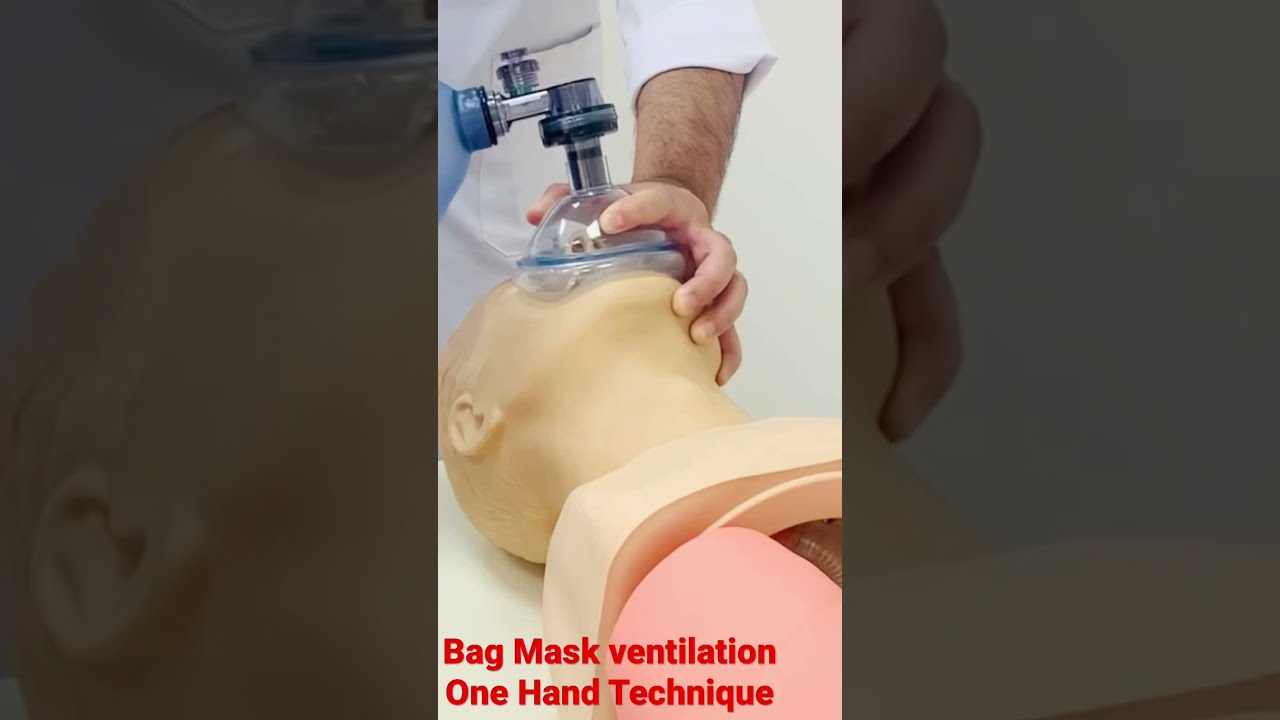
3. Tracheostomy and Ventilator Training
This specialized training concentrates on managing tracheostomy people who need mechanical ventilation, emphasizing both technological abilities and patient-centered care approaches.
Challenges in Airway Management
Despite developments in medical modern technology, numerous challenges continue:
1. Patient Variability
Each person provides one-of-a-kind physiological challenges that may complicate air passage management efforts.
2. Devices Limitations
Not all facilities have access to advanced tools; consequently, healthcare providers should be adept at utilizing available resources efficiently.
The Function of Innovation in Ventilation Management
Technological developments have actually dramatically improved exactly how we come close to airway and air flow management:
Smart Ventilators: These devices can instantly adjust setups based on real-time feedback. Telemedicine: Makes it possible for specialists to supply remote assessments on intricate cases including air flow management.Patient-Centric Techniques to Air passage Management
Effective airway monitoring exceeds technical proficiency; it requires an empathetic technique in the direction of patient convenience:
- Continuous tracking is essential. Frequent interaction with relative helps alleviate stress and anxiety concerning therapy plans.
Case Researches Illustrating Effective Air Passage Management Techniques
Analyzing real-life circumstances can illustrate finest practices:
Case Study 1: Effective Emergency Intubation
A 54-year-old man presented with intense respiratory distress as a result of pneumonia was efficiently intubated utilizing quick sequence induction techniques after appropriate evaluation disclosed he might not maintain his very own airway.
Case Research study 2: Non-Invasive Intervention
A 72-year-old female fought with COPD worsening yet responded well when treated with BiPAP treatment after first assessments recognized her need for raised oxygen levels without intrusive measures.
FAQs About Airway and Air Flow Management
What is implied by "air passage management"?- It describes techniques used by health care professionals to keep or secure an individual's respiratory tract throughout clinical treatments or emergencies.
- It gears up healthcare providers with crucial skills essential for taking care of clients requiring respiratory system support successfully and safely.
- NDIS guidelines highlight customized care strategies that commonly necessitate specialized training around ventilatory assistance devices tailored specifically for specific needs.
- It's a setting where the ventilator helps spontaneous breathing initiatives by giving pre-programmed pressure throughout inhalation while allowing clients control over their breathing rhythm.
- Innovations like wise ventilators supply flexible responses based upon individual needs while telemedicine permits specialists support from another location during difficult cases including complicated respiratory system issues.
- Complications can consist of hypoxia, goal pneumonia, boosted intracranial pressure, and even heart attack if prompt interventions aren't made appropriately.
Conclusion
The relevance of airway and air flow administration in critical treatment can not be overstated-- it's a fundamental aspect that directly correlates with individual outcomes in emergency situations. By spending time right into thorough education and learning via various courses like standard ventilator course or NDIS ventilation training programs, medical care experts can hone their experience effectively ndis ventilation training course ensuring they're planned for any eventuality they might deal with within their technique area-- whether it's grasping tracheostomy methods or responding without delay during unexpected situations needing immediate intervention approaches developed around private requirements while browsing potential challenges associated along with these intricate processes affecting lives every day!